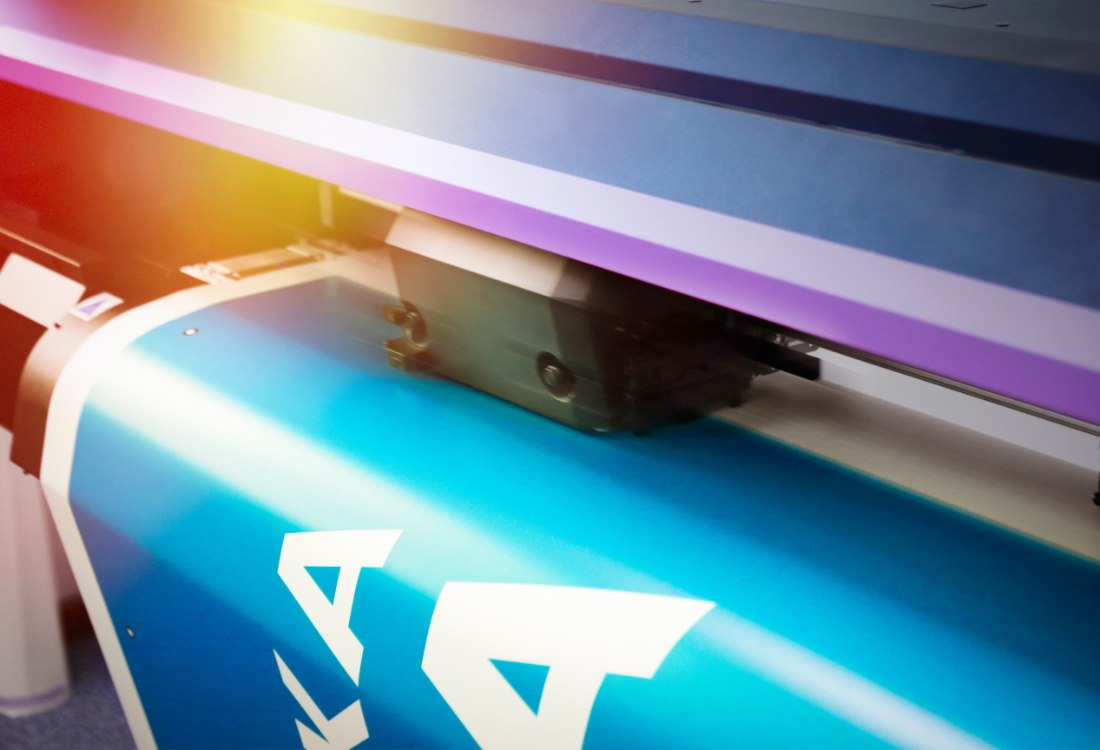
Paper sizes can feel confusing when you are planning event materials. Most people have an intuitive grasp of how big an A4 or A5 piece of paper is, but when you need a poster, a sign, or handout, choosing the correct sign is not always obvious. Do you need A3 or A2, or what about A0? This simple guide breaks down the common paper sizes and how they work in real event environments, from bespoke business cards through to large displays created by large format printing.

Understanding The ‘A-series’ Sizes
The A series is the standard system used across most print projects throughout the world. The system was originally developed in Germany in 1922, before being standardised for international use as ISO 216 in 1975. The upshot of this is that A4 means the same thing whether your event is in Beijing or Bradford, making it a lot easier for businesses to size-match when planning for international events.
The way the system works is that each size halves as the number increases. A0 is the largest, while A10 is extremely small. The most relevant sizes for events are usually A5, A4, A3, A2, A1, and A0. Here are some common applications:
- A5 (148 × 210 mm): A5 is a good fit for small handouts, table cards, & directional cues. These materials are easy to carry and ideal for quick references. Use A5 prints for schedules, QR codes, small menus, or giveaway materials.
- A4 (210 × 297 mm): A4 paper feels familiar, being the size of standard office documents. A4 prints work well on information boards, notices, small map displays, and have the advantage of being readable at close range. Many event organisers use A4 prints for content that needs more detail than smaller handouts, such as signup forms and welcome packs.
- A3 (297 × 420 mm): A3 gives you enough space to add hierarchy to your layout, making the size ideal for notices, small posters, check-in prompts, and signs that sit near eye level. Many event teams use small A3 prints (on A frames) for directional messages on desks and reception areas.
- A2 (420 × 594 mm): A2 is getting into large format printing territory, with these prints working well in areas where visitors need to spot information from a short to medium distance. Good for wayfinding, sponsorship messages, and mid-size posters, A2 prints also fit nicely onto easels or temporary stands without dominating the space.
- A1 (594 × 841 mm): A1 paper is often used for hero boards, area markers, larger directional signs and feature artwork. Noticeable but not overwhelming, A1 paper is a good substrate size for bold typography and strong colours.
- A0 (841 × 1189 mm): A0 is the size you choose for maximum presence and impact. These prints act as focal points at entrances, stages, and main gathering areas. You’ll need a specialised large format printing set up to produce A0 prints at the required resolution, giving you the sharpness, colour consistency, and durability needed for big displays.
- Smaller sizes: potentially useful for business cards, signs, and smaller flyers:
- A6: 105 × 148 mm
- A7: 74 × 105 mm
- A8: 52 × 74 mm
- A9: 37 × 52 mm
- A10: 26 × 37 mm
So, How To Make The Right Choice?
With any event printing, start with the message you want to put across. If your content is simple, you can keep the size modest. If the piece needs multiple sections, icons, or photography, you’re better choosing a larger paper size so that everything stays clear. Try to avoid shrinking your text just to make a layout fit. It’s also important to match sizes across the event, as consistency helps your visitors access information more quickly. For example, if you assign A3 for directions and A2 for marketing messages, stick to that system throughout the space. A clear visual rhythm will help the layout feel better organised.
Print Solutions From MTA Digital
A custom digital print service, such as ours at MTA, can help you choose the right paper size, finish, and configuration for your event materials. Get in touch today to discover the benefits of our print solutions and large format printing capabilities.

Image source: Canva
